Event Security in Citrus Heights: Planning for Community Gatherings
PPO #12273011/12/20261193 wordsevent security Citrus Heights CA
Organizing a successful public gathering requires balancing an inviting atmosphere with rigorous safety protocols. Whether you are hosting a seasonal festival at Rusch Community Park, a craft fair near Sunrise Mall, or a neighborhood street festival, effective security planning must begin well before opening hours. Investing in professional event security Citrus Heights CA event organizers rely on helps mitigate liabilities, ensures compliance with municipal guidelines, and keeps attendees, vendors, and staff safe throughout the day.
Citrus Heights has a distinct suburban character, with deep community involvement and active local commerce. However, even well-intentioned community events can face unexpected operational challenges, such as perimeter breaches, medical emergencies, parking disputes, and disorderly conduct. A proactive, tailored security plan ensures your team is prepared to handle incidents quietly and effectively without disrupting the attendee experience.
Understanding Local Permitting and Regulatory Requirements
Before deploying guards or setting up temporary fencing, event coordinators must navigate the local regulatory landscape. The City of Citrus Heights and local public safety agencies often require a detailed security and traffic management plan as part of the special event permit application.
Key municipal and jurisdictional factors include:
- Citrus Heights Police Department (CHPD) Coordination: Larger events, especially those involving road closures, alcohol service, or substantial crowds, often require formal review by local law enforcement to determine minimum staffing levels.
- Sacramento Metropolitan Fire District (Metro Fire) Standards: Event footprints must maintain clear emergency vehicle access routes, marked emergency exits, and safe spacing between food vendors, generators, and temporary structures.
- Alcohol Beverage Control (ABC) Regulations: Events featuring beer gardens or wine tastings must maintain strictly controlled, age-verified perimeters with dedicated security guards monitoring consumption limits and exits.
Partnering early with a licensed private security operator simplifies this process, as seasoned professionals understand how to draft site safety plans that align with municipal expectations.
Conducting an On-Site Vulnerability Assessment
Every venue presents unique geographic vulnerabilities. A park setting requires different operational controls than a paved shopping center parking lot. Conducting a thorough on-site walkthrough allows security planners to identify blind spots and infrastructure risks before the event footprint is established.
During a preliminary site assessment, organizers and security directors should evaluate:
- Perimeter Integrity: Natural barriers, existing fencing, and potential unauthorized access points.
- Points of Ingress and Egress: Designing clear, wide entryways that prevent bottlenecks and facilitate bag checks or credential verifications.
- Lighting and Visibility: Assessing how security needs shift if the event extends into the evening hours, particularly around parking lots and exterior restrooms.
- Emergency Egress Routes: Ensuring all planned exit pathways remain unobstructed by temporary booths, signage, or utility cables.
Addressing these details early prevents operational confusion on the day of the event and ensures that private security personnel can focus on active observation rather than fixing physical layout flaws.
Crowd Management and Access Control Strategies
Effective crowd management is grounded in deterrence, visibility, and proactive communication. In a community event setting, security officers must strike the right balance between being approachable ambassadors and maintaining a firm, authoritative presence.
Ingress and Bag Inspections
Lines at entry gates are the first point of contact for attendees. Security personnel stationed at ingress points should be trained to process visitors efficiently while enforcing prohibited item policies. Whether an event bans outside alcohol, glass containers, or weapons, clear signage paired with courteous physical inspections sets the tone for safety.
Perimeter Patrols and Roaming Guards
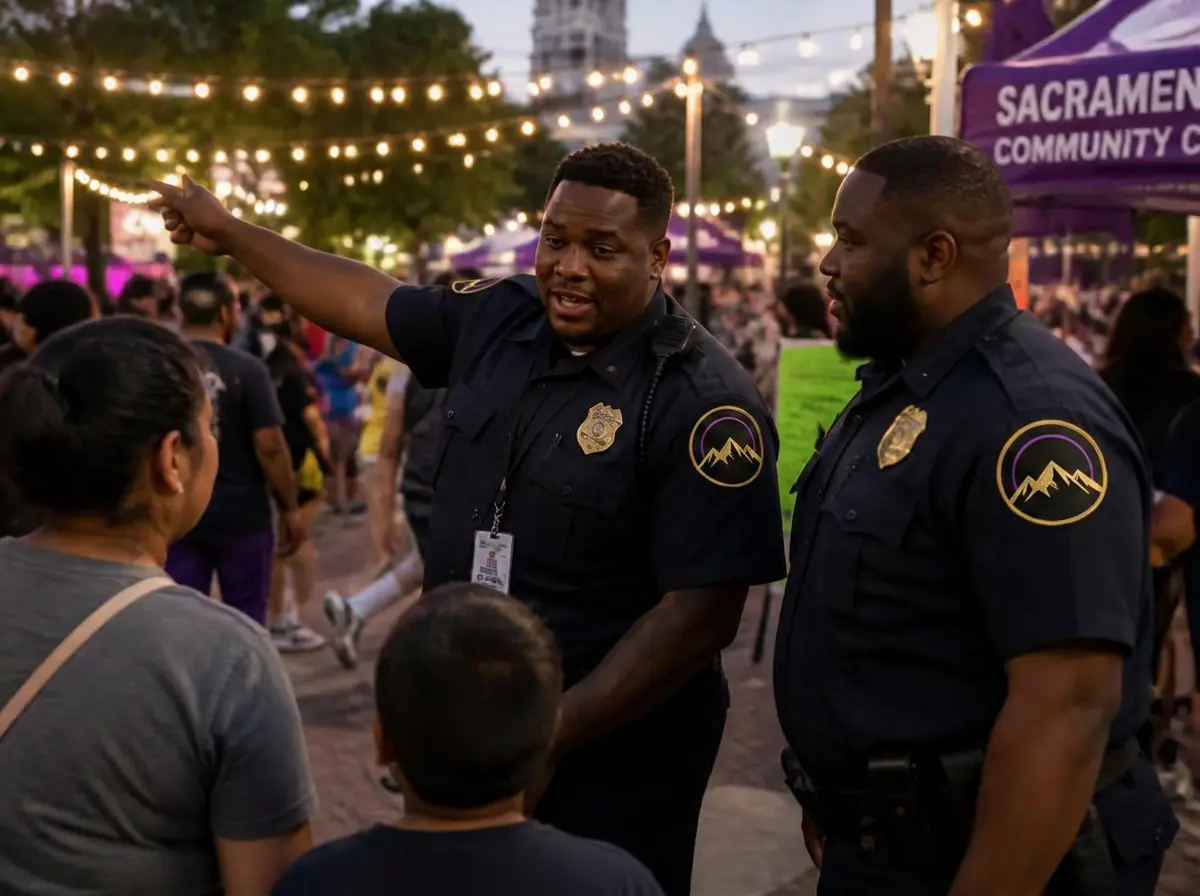
Static guards at entrances must be supported by mobile patrols. Uniformed officers walking the grounds provide visible reassurance to the public while discouraging opportunistic crimes such as vendor theft or petty vandalism. Roaming guards are also in the best position to spot early signs of conflict, such as escalating verbal disputes, and de-escalate situations before they become physical.
Managing Alcohol Service Zones
If alcohol is sold or served, perimeter control becomes critical. Security guards stationed at beverage areas verify identification, monitor for signs of intoxication, and ensure that open containers do not leave the designated consumption zones. Officers work closely with server staff to identify patrons who should be cut off, handling removals calmly to minimize public disruption.
Emergency Preparedness and Incident Response
No event safety plan is complete without clear contingencies for acute emergencies. Whether dealing with a sudden medical incident, extreme summer heat, severe weather, or a critical threat, all event staff and security personnel must know their exact roles.
An actionable emergency plan should outline:
- Unified Communications: Establishing a dedicated radio frequency or communication protocol between event coordinators, private security supervisors, and first aid staff.
- Medical Response Protocol: Clear access paths for emergency medical services (EMS) to reach first aid tents or incident scenes without being blocked by crowds or vendor vehicles.
- Lost Children Procedures: A standardized intake, reporting, and reunification process to resolve missing minor reports rapidly and calmly.
- Evacuation Procedures: Designated staging zones and predetermined routes for leading attendees safely away from the venue if an evacuation order is issued.
Security guards act as the primary guides during an emergency, using their training to direct crowds toward exits safely and prevent panic-driven stampedes.
Protecting Assets, Equipment, and Vendors
Community events involve significant capital investments from both organizers and third-party vendors. Sound systems, staging, lighting rigs, portable generators, and merchandise represent high-value targets for theft or vandalism, particularly during setup and tear-down windows.
Comprehensive security coverage addresses these vulnerable transitions:
- Pre-Event Load-In: Monitoring vendor vehicles and loading docks to prevent unauthorized access and traffic gridlock.
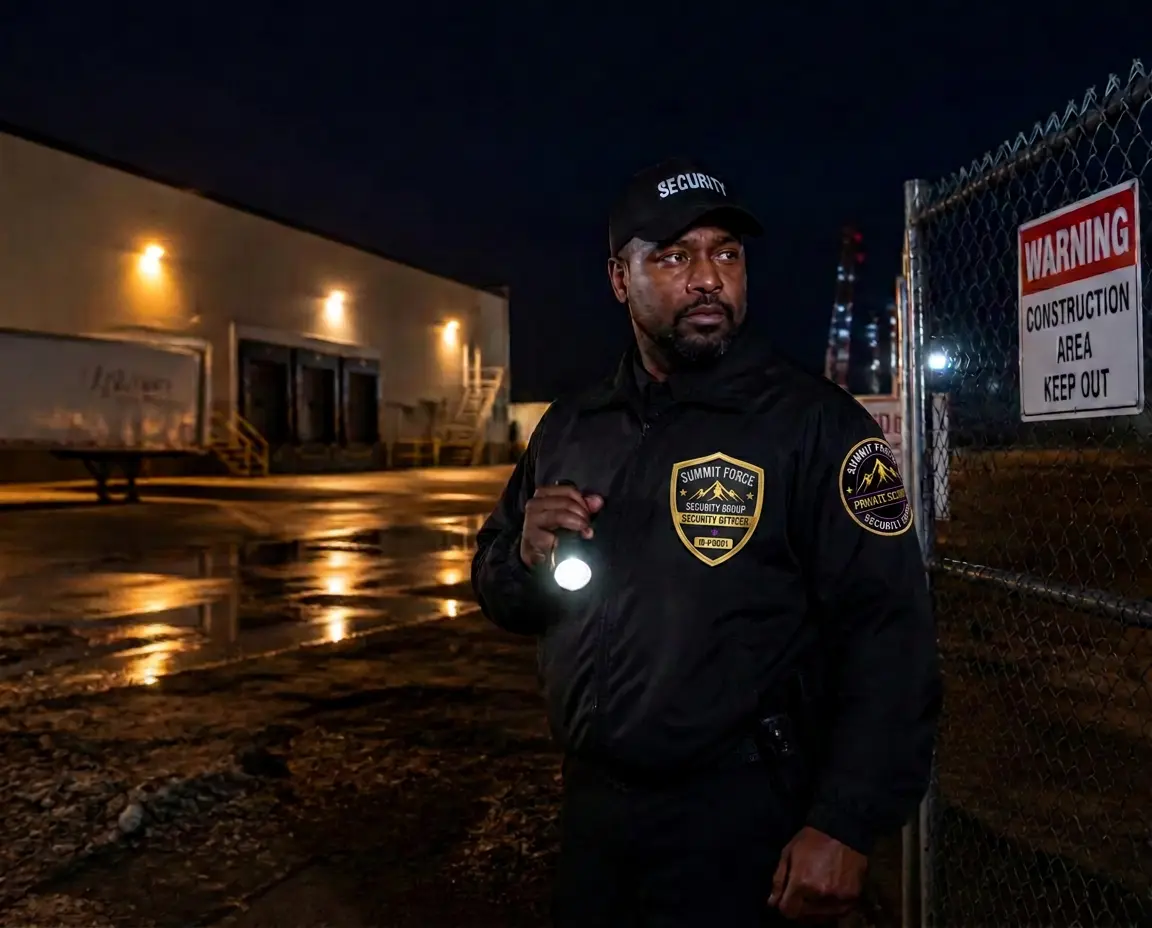
- Overnight Security: Providing static, awake guards to patrol the venue grounds overnight between multi-day events, protecting merchandise and equipment left in place.
- Post-Event Egress and Cash Handling: Assisting vendors and event management with safe money escorts and monitoring the area until the venue is completely cleared and secured.
The Importance of Working with a Licensed Security Provider
In California, private security operations are strictly regulated by the Department of Consumer Affairs through the Bureau of Security and Investigative Services (BSIS). Engaging an unlicensed group or relying solely on unvetted volunteers exposes event hosts to substantial legal, financial, and safety risks.
A professional Private Patrol Operator (PPO) ensures that all assigned personnel hold valid BSIS Guard Cards, have passed thorough background checks, and understand state-mandated de-escalation and use-of-force standards. Professional firms carry the necessary general liability and workers' compensation insurance coverage, shielding event organizations and municipal partners from liability.
Summit Force Security Group (PPO #122730) brings disciplined, professional security management to community gatherings, festivals, and corporate functions throughout Citrus Heights, Sacramento County, and the surrounding region. Our security professionals are selected for their situational awareness, customer-service mindset, and ability to handle high-density crowds with calm authority.
Plan Your Next Citrus Heights Event with Confidence
Safe community events do not happen by accident; they are the result of thorough preparation, open communication, and experienced field leadership. By integrating security into the earliest stages of your planning process, you protect your attendees, support your vendors, and uphold your organization's reputation in the community.
Contact Summit Force Security Group today to discuss your upcoming event and schedule a free on-site security assessment with our experienced operational team.
Next step
Ready to put officers on post?
- local security guards on post this weekLicensed officers dispatched from Sacramento HQ with written post orders.
- vehicle patrol services in Citrus HeightsMarked units running metro-wide checks, gate sweeps and alarm response.
- marked patrol coverage near your propertyRandomized marked patrol passes with GPS-verified logs, same-week starts.
- hire a security guard this weekCity-by-city dispatch times, corridors officers work and flat written hourly rates.